

By Tonka Radisch
Head of Editorial at Opinary
AfD’s win in Saxony-Anhalt is a reminder that Germany’s East-West divide is far from over. But the story doesn’t stop at the ballot box. Our reader data suggests the divide runs much deeper.
This week, something happened in Germany that would have been unthinkable not long ago. A far-right politician has taken the speaker of a German parliament. The state of Saxony-Anhalt elected Tobias Rausch of the Alternative for Germany (AfD) as speaker, just a month after his party won 43.8% of the vote. Saxony-Anhalt may well soon become the first federal state governed by the far right.
Why Saxony-Anhalt, non-German observers might ask. And where and what is Saxony-Anhalt anyway? Well, it is important to point out that Saxony-Anhalt lies in the East of the country, in what was, until 1990, the socialist German Democratic Republic.
Thirty-six years after reunification, the former East and the former West still look strikingly different on a political map. The AfD regularly wins 30 to 45 percent in eastern states, while in most western states it remains far smaller. The far right’s success in the East is usually explained by economics: lower wages, smaller pensions, less inherited wealth and the shock of deindustrialisation in the 1990s. All of this matters. But it doesn’t tell the whole story.
What polling data reveals
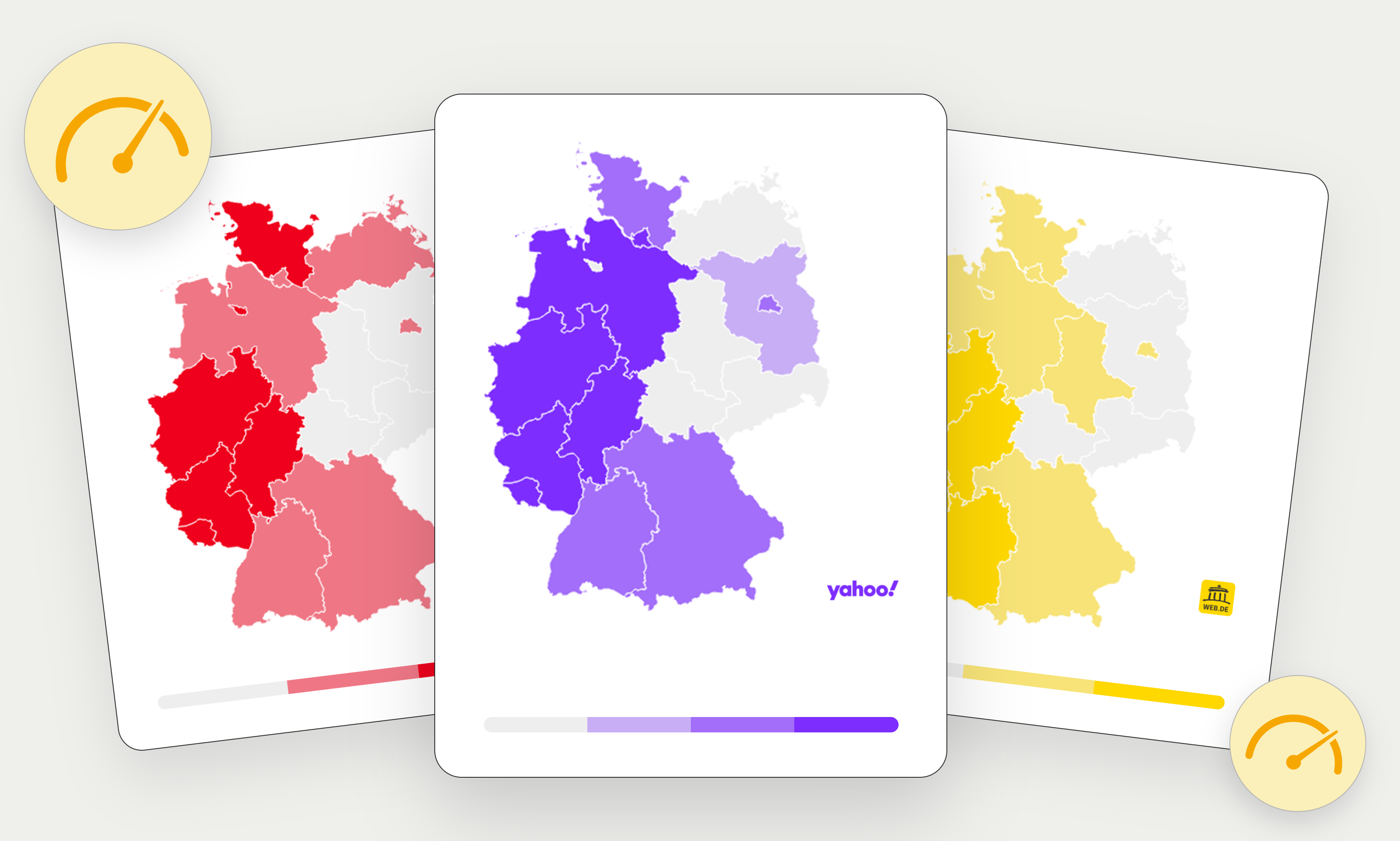
At Opinary, we run interactive polls embedded in articles on German news websites, from national outlets to regional papers. For this analysis, we looked at 900.000 votes across 1,200 polls in the last two years and compared how readers in eastern and western Germany answered.
As you’d expect, Opinary poll results across German news publishers confirm the East-West divide on the AfD’s signature issues, like migration or public broadcasting. Interestingly, this holds true regardless of the publication: from legacy publishers like the Frankfurter Allgemeine Zeitung to high-reach portals like Web.de and Yahoo, the gap is there.
A divide on almost everything
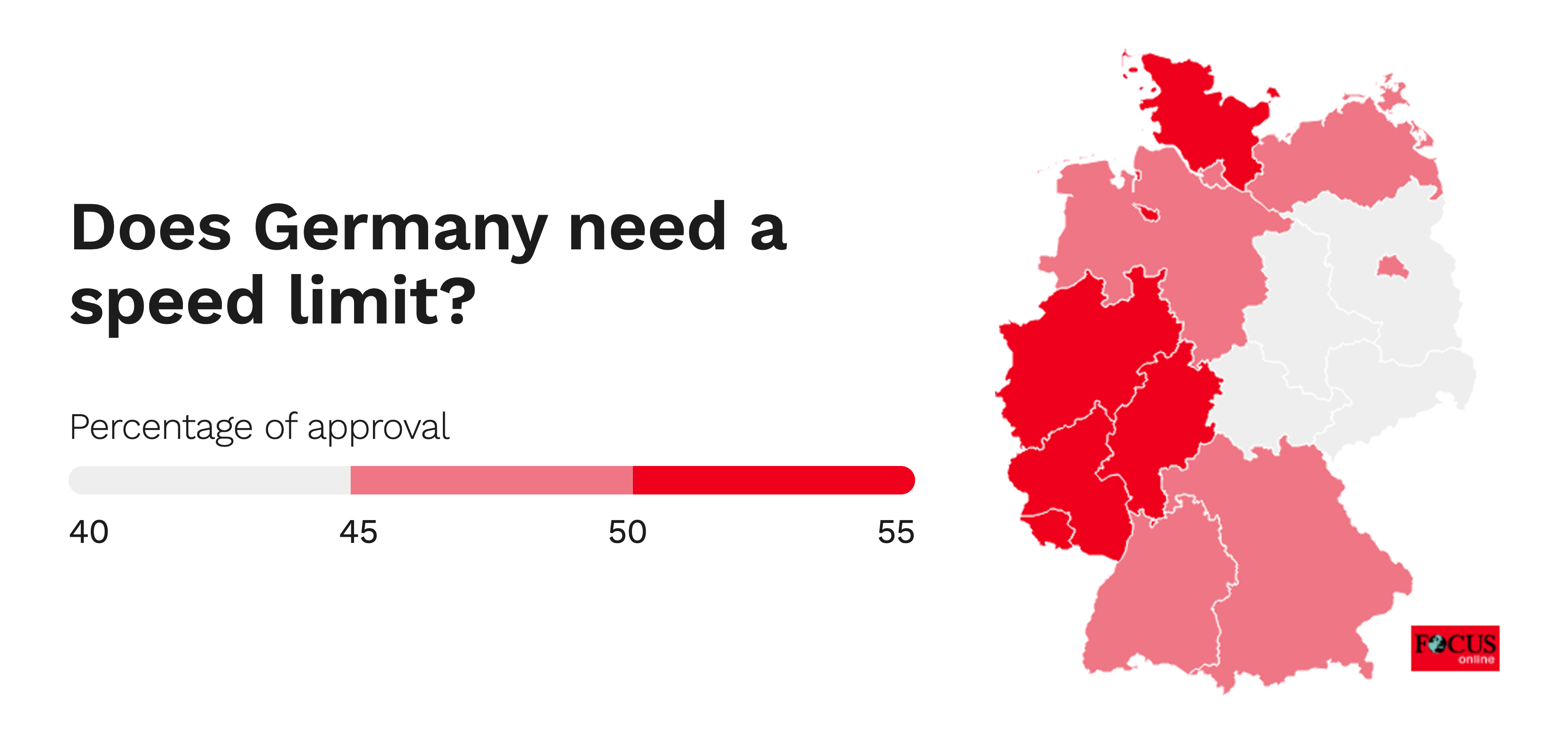
What I find even more striking is that the divide doesn’t stop there. Whenever I dig through our poll results, the same pattern appears: almost every poll, on almost any subject, shows an East-West gap. It starts with Germany’s all-time favourite debate: whether to join virtually every other country in the world and introduce a speed limit, or remain the outlier we are and keep running free (or causing havoc, depending on your take) on the highway.
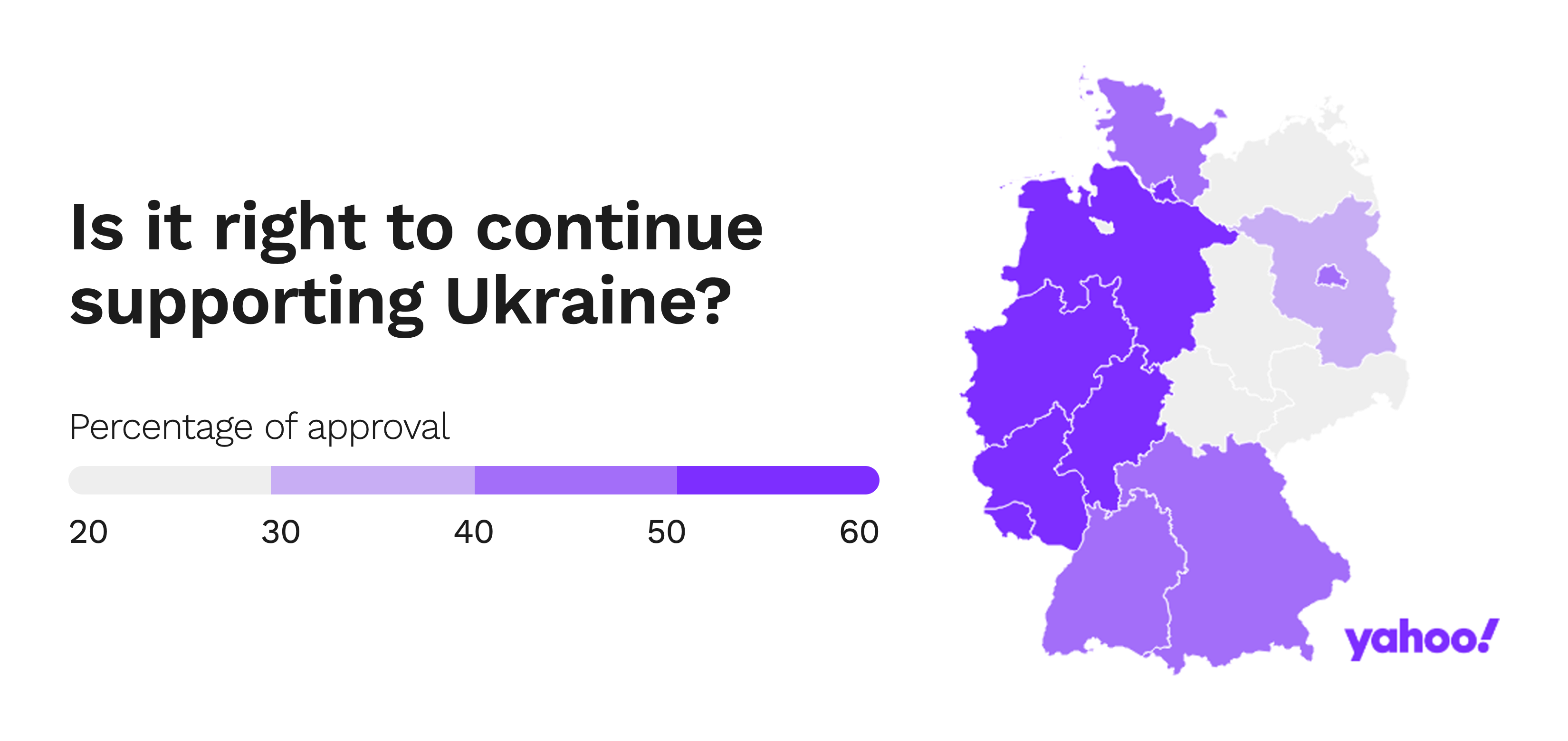
One of the widest gaps, more than 20 percentage points, concerns Russia and support for Ukraine. Concern about the Russian threat is lower in the East, and military support for Ukraine finds far less backing. While 49 percent of West German Yahoo readers are in favour of Germany’s support for Ukraine, only 26 percent of East German readers agree.
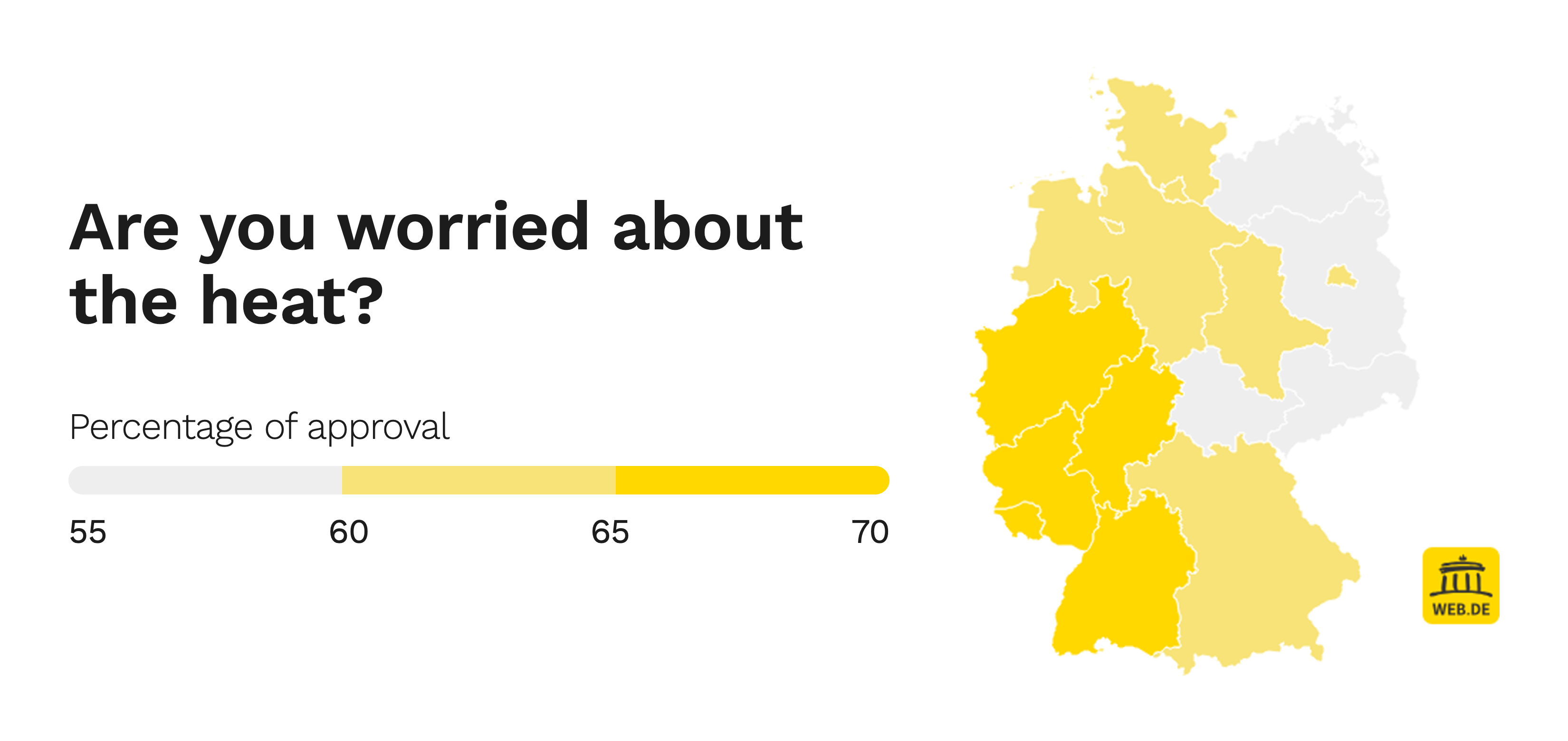
It probably won’t surprise you that climate action is less popular in the East too. What really surprised me is that you can trace this all the way into seemingly harmless weather polls, placed in simple forecast articles. During this summer’s heatwave, Web.de readers were asked whether they were concerned about the heat. 66 percent of West Germans said yes, but only 58 percent of East Germans.
A symptom, not the cause
So maybe the question itself is wrong. Instead of asking why the East votes for the far right, we might ask why East and West see so much of the world differently. The AfD’s rise in the East is not the cause of this divide. It is one of its most visible symptoms. What happened in Saxony-Anhalt this week is not just a story about one party. It’s the story of a country that, more than three decades after reunification, is still learning to see itself as one.
To end on a more hopeful note: amid all this division, I do see things that unite us. We share a dislike of Donald Trump’s erratic ramblings, of high rents and of overpriced Oktoberfest beer. And we cheer for the national football team, especially its newly appointed coach, former Liverpool manager Jürgen Klopp. (a love Germans and Brits unexpectedly share.)
Some things, it seems, really are German, full stop.
Methodology: We analysed 970,898 responses from 1,189 Opinary polls on 19 German news websites between January 2025 and September 2026. Six polls from six different news websites were selected to illustrate the findings in the charts. Responses were assigned to East or West at the level of German federal states, based on approximate location derived from IP geolocation. Berlin was treated separately. Results are not representative in the sense of a weighted population sample but reflect the views of readers of German online news media.
Want more?
Find further opinion insights on our blog.
Recent Comments