

By Lucas Shiller
Engagement Editor at Opinary
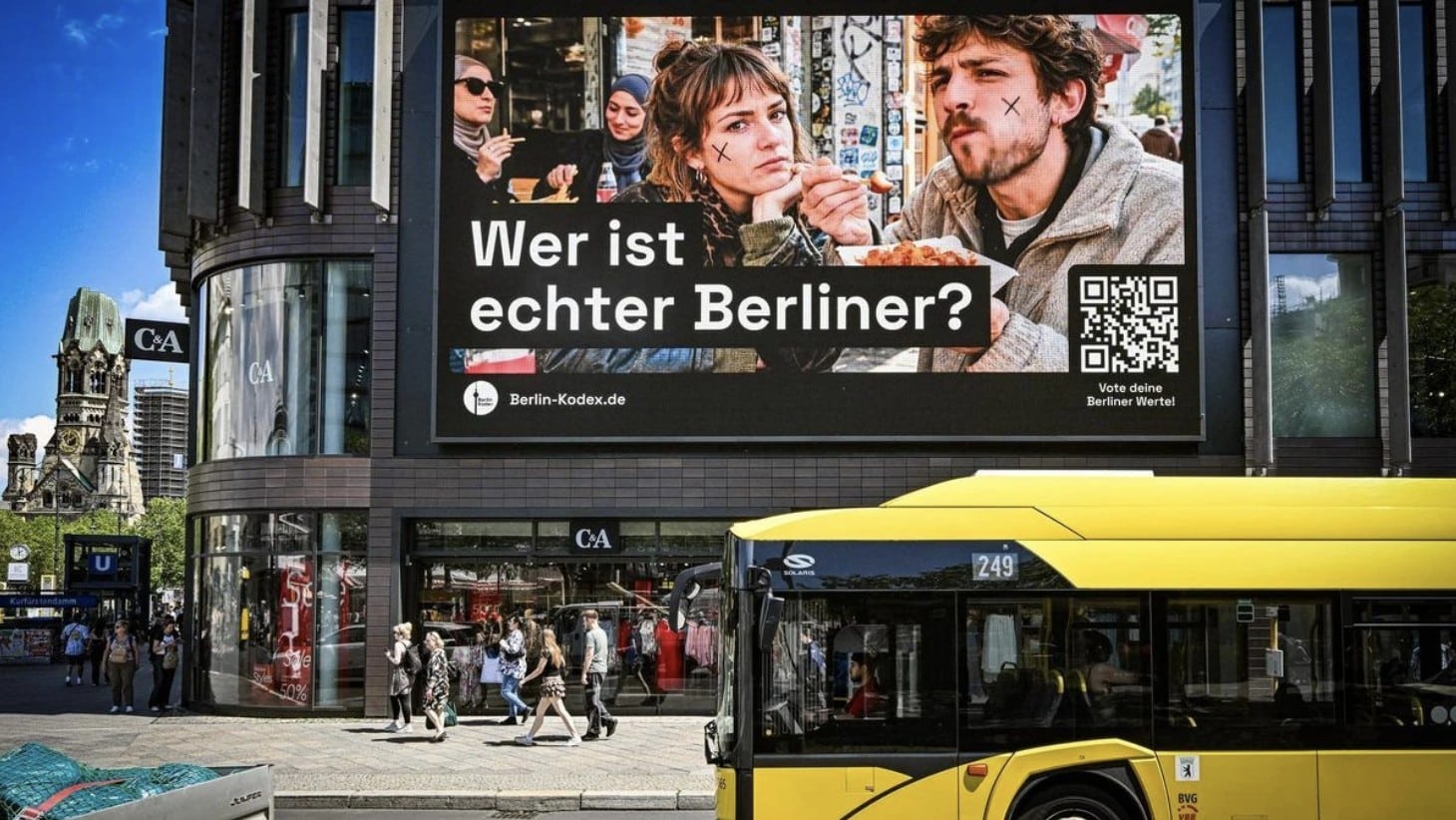
Opinary is no stranger to helping outlets meet their readers where they are, whether that’s on their phone, tablet or desktop (just ask The Times or Yahoo News). But in pairing up with Berlin Kodex this summer, our polls have jumped off the screen and into the real world for the very first time: on Berlin’s iconic advertising columns, billboards along Kurfürstendamm boulevard and in Spätis (the city’s late-night corner shops).
With one quick scan of a QR code, Berliners joined a city-wide poll on 20 everyday scenarios (everyday for Berlin, that is!). More than four in ten website visitors took part, and two thirds of them answered all 20 questions.
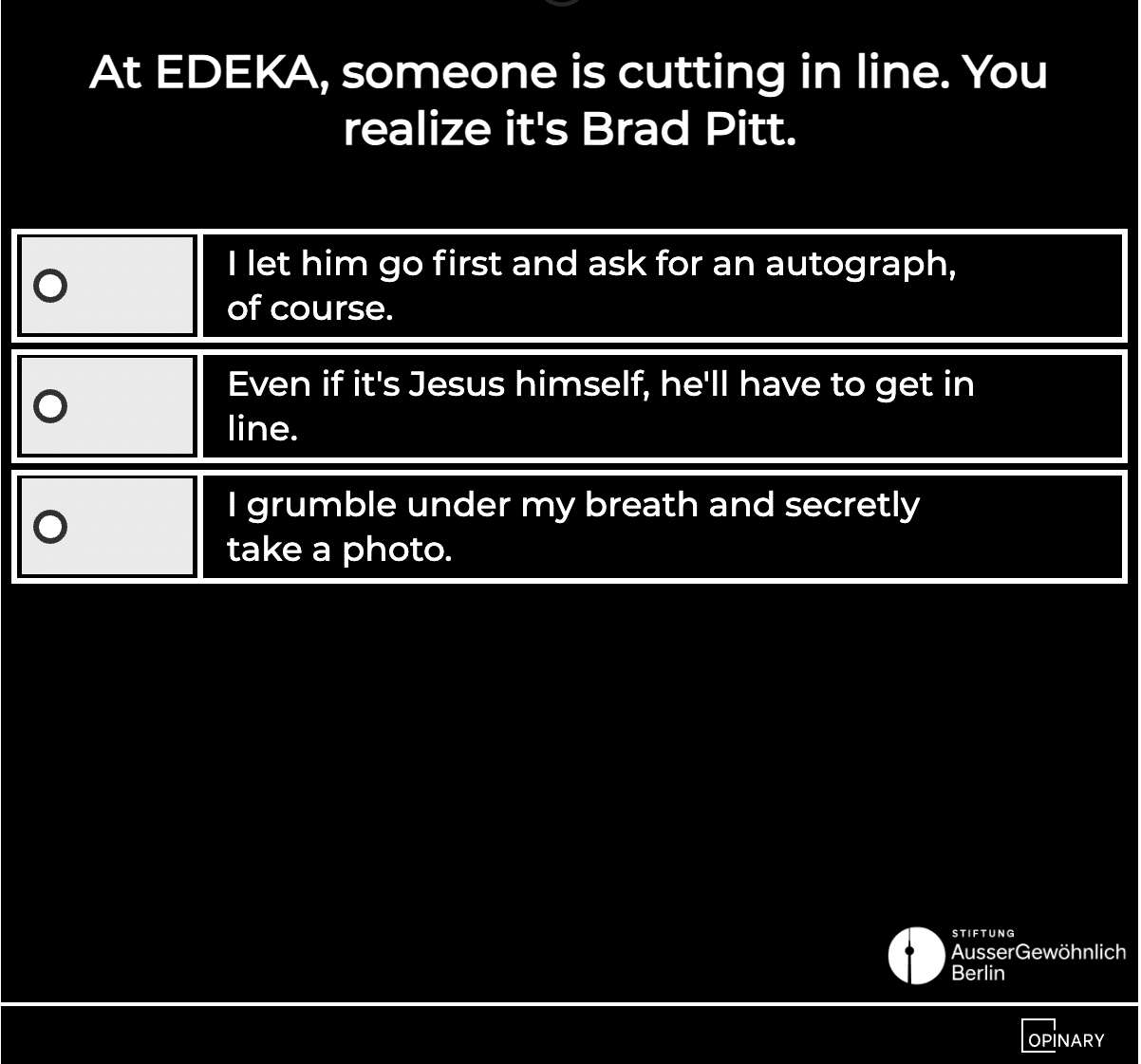
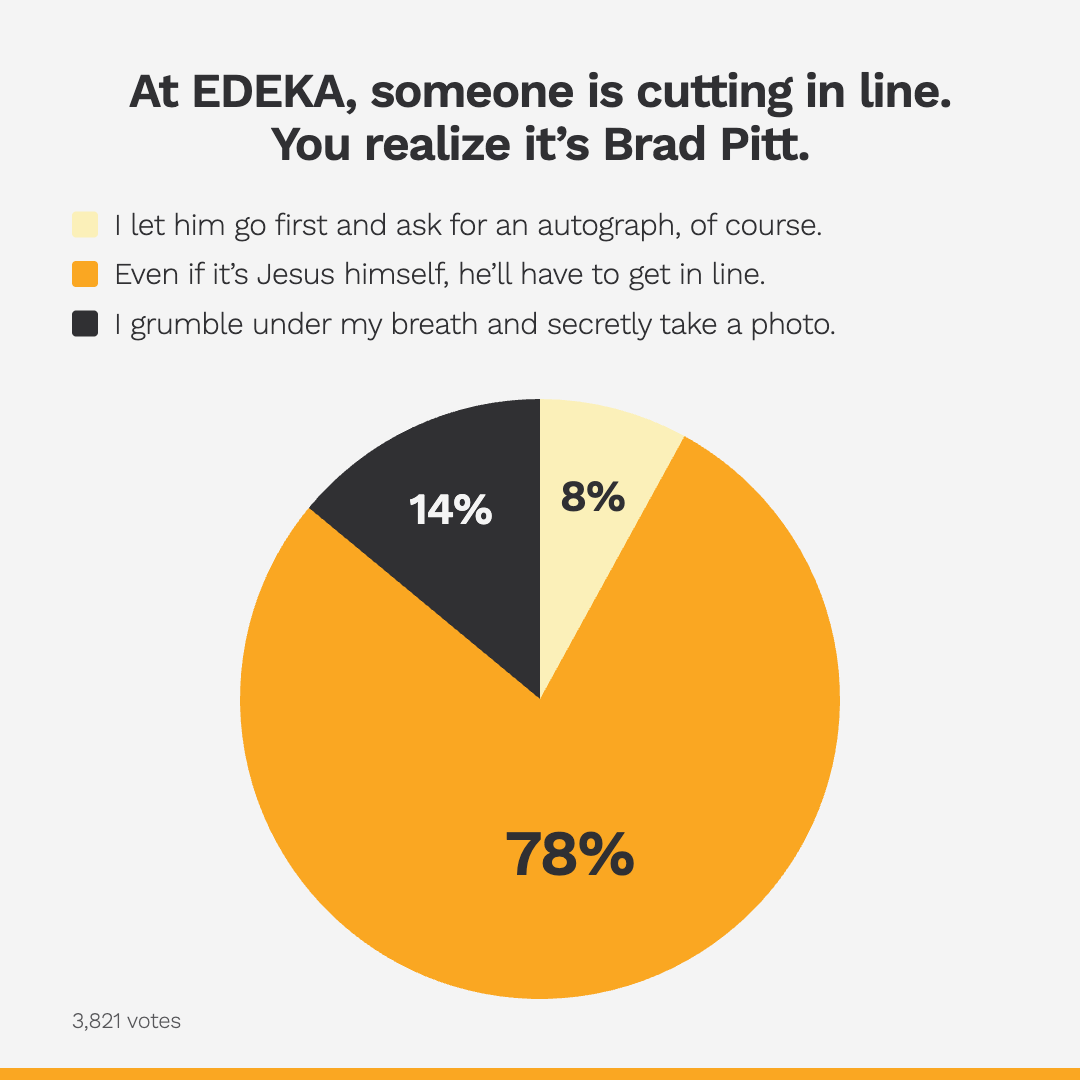
Why did they stick around? Because every question was relatable. For example, when someone jumps the queue at the supermarket, how do you react? And does it matter whether it’s Hans Everyman or Brad Pitt?
AusserGewöhnlich* Berlin
*Anything but Ordinary
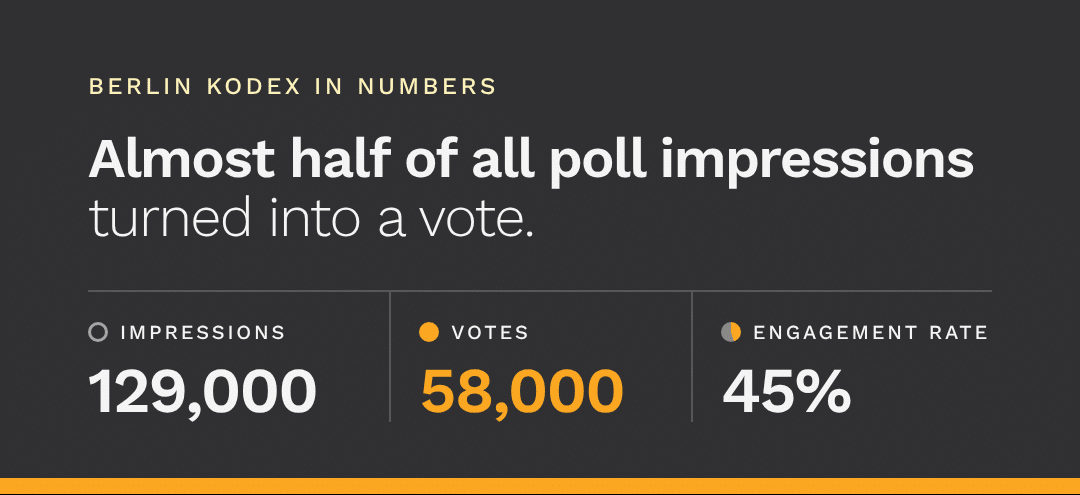
AusserGewöhnlich Berlin is a non-partisan, privately funded foundation backed by a business network of about 300 members. Ahead of Berlin’s September 2026 election, it launched the Berlin Kodex campaign around one simple idea: what unites Berliners is greater than what divides them. The campaign put that idea to the test, and Berliners voted more than 58,000 times.
The campaign was the brainchild of Alexander S. Wolf, a networking expert and Berlin local. Using Opinary polls, he wanted to find out whether Berliners agree more than they disagree. (They do, and Brad Pitt will have to wait!)
Evolving Identities
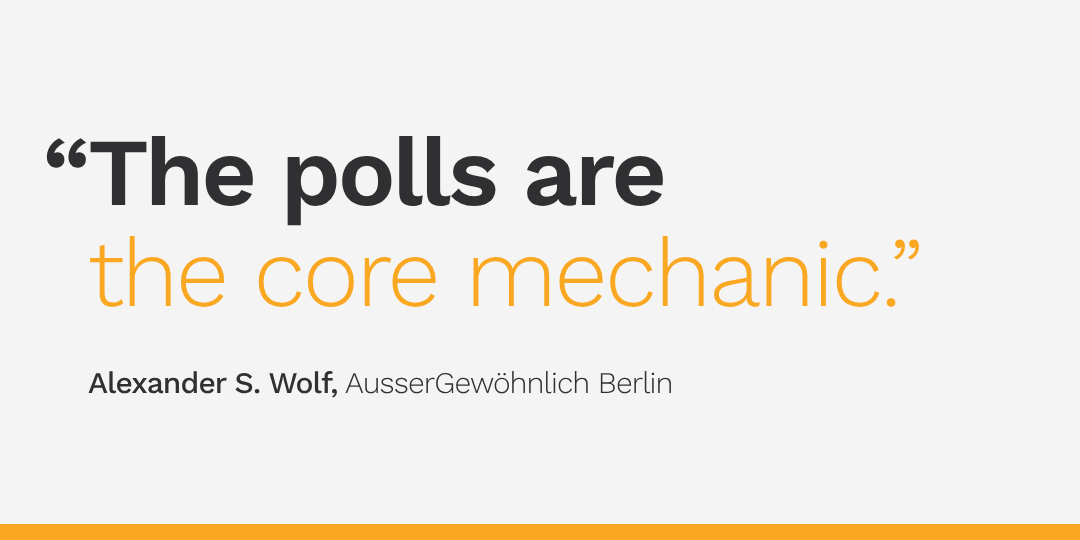
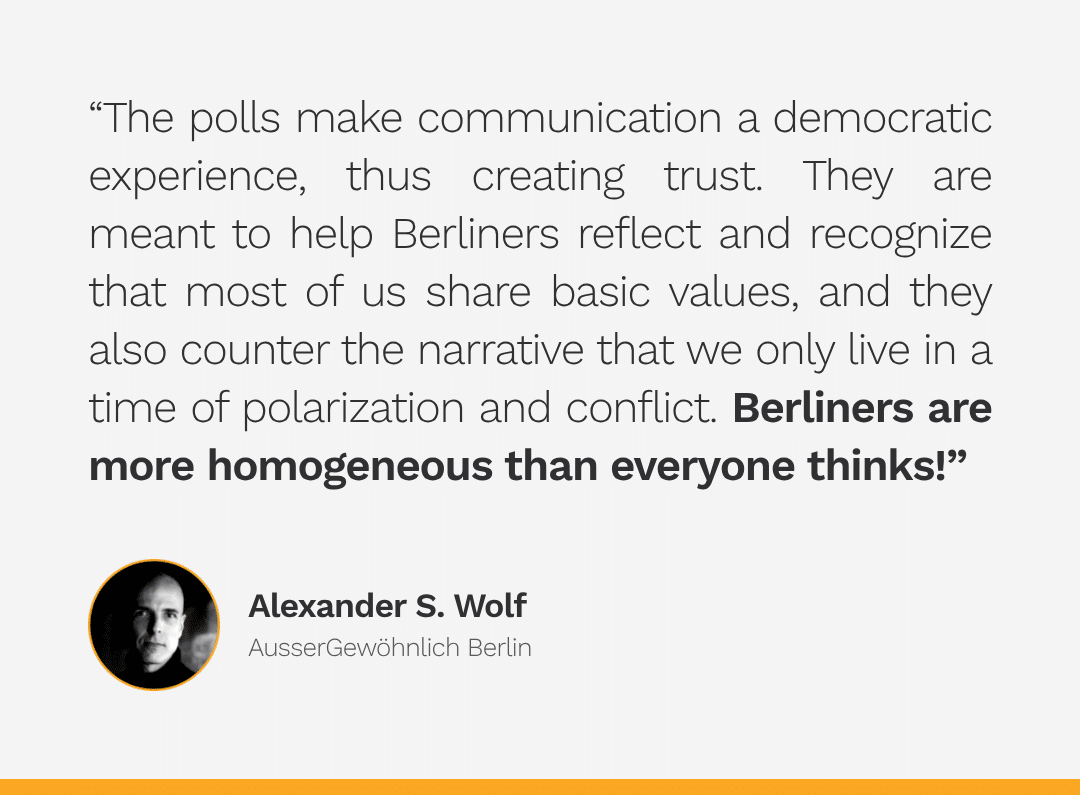
Wolf’s project was meant to help Berlin reflect on what belonging means in a city that has been destroyed and walled in, but also rebuilt and reunited. As Wolf puts it:
Berlin Responded in a Big Way
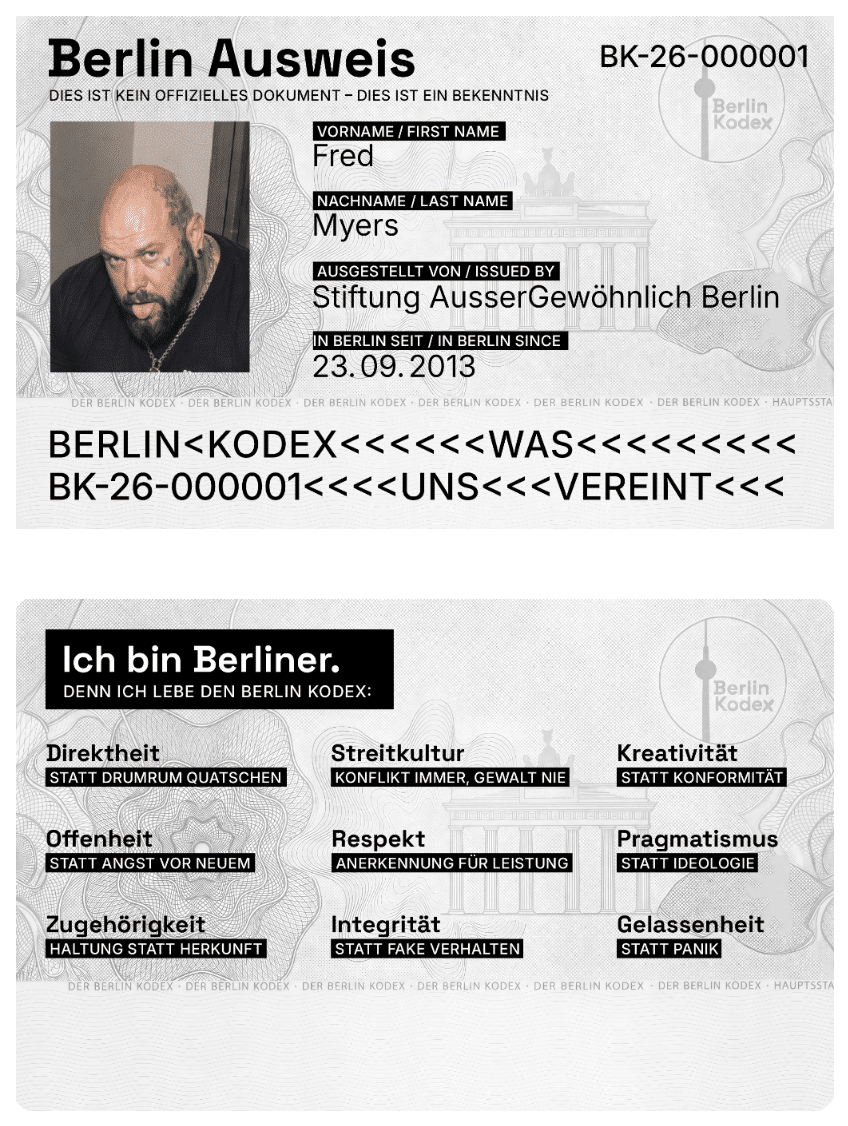
Consensus emerged on topics ranging from helping grannies to bad tattoos. After answering all questions, each person is rewarded with a “Berlin Ausweis”, an identity card proving their Berlin credentials.
Attitude over Origin
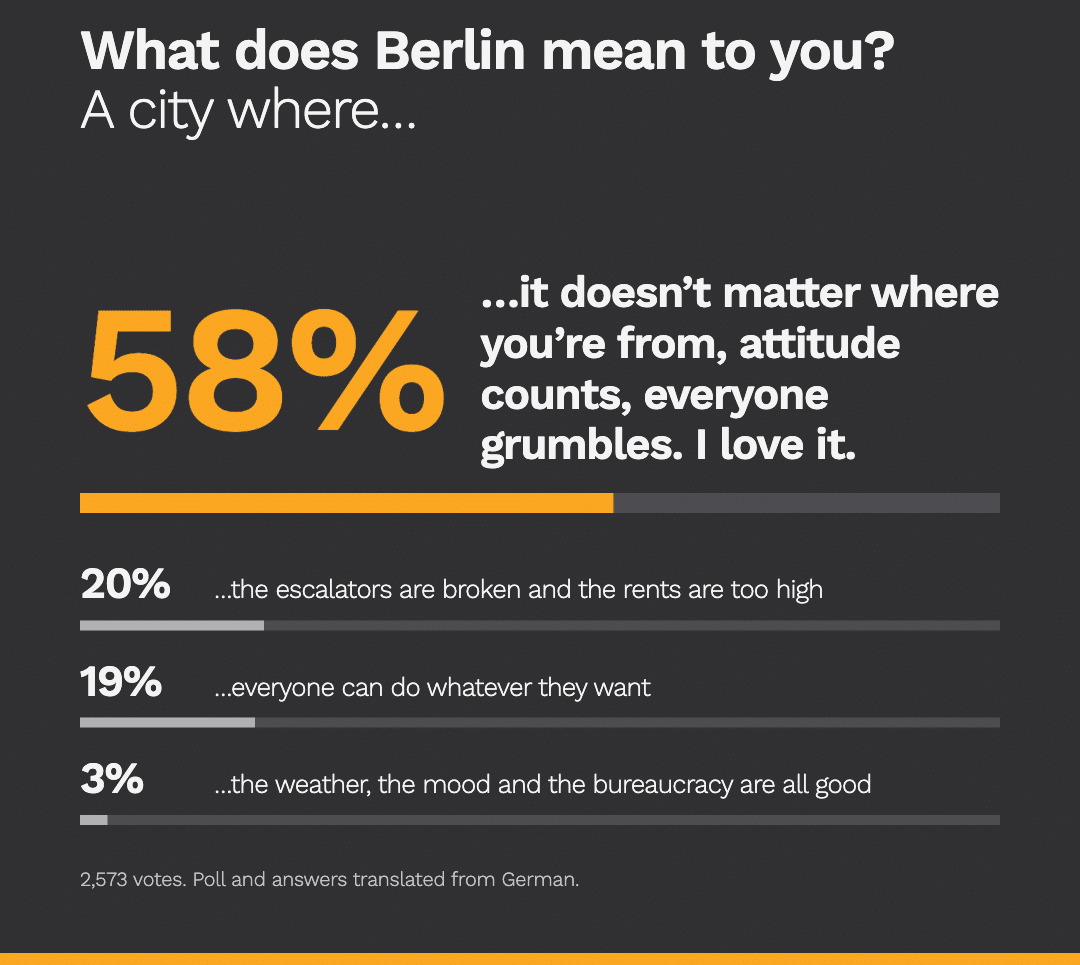
True to Wolf’s expectation, a majority of respondents to the final question (below) chose the option “…it doesn’t matter where you’re from, it’s your attitude that counts.”
What’s the Takeaway for Publishers?
With over 1 million campaign views and thousands of visitors to berlin-kodex.de, it’s clear that Wolf’s message struck a chord.
Almost half of visitors went on to take the questionnaire, casting over 58,000 votes between them: Berliners came to have their say, not just to look.
Equally clear is that Opinary polls don’t just live in articles. A simple QR code turned posters and advertisements into a conversation about identity and belonging. Entertaining questions kept users voting, with two thirds of respondents completing all polls. Teasing poll results in exchange for a vote turned clicks into community. Whether it’s a newsletter, an event or a city-wide campaign, questions draw people in. What will you do with a poll?
Want to take poll insights beyond the article?
By Lucas Shiller
Engagement Editor at Opinary
Opinary is no stranger to helping outlets meet their readers where they are, whether that’s on their phone, tablet or desktop (just ask The Times or Yahoo News). But in pairing up with Berlin Kodex this summer, our polls have jumped off the screen and into the real world for the very first time: on Berlin’s iconic advertising columns, billboards along Kurfürstendamm boulevard and in Spätis (the city’s late-night corner shops).
With one quick scan of a QR code, Berliners joined a city-wide poll on 20 everyday scenarios (everyday for Berlin, that is!). More than four in ten website visitors took part, and two thirds of them answered all 20 questions.
Why did they stick around? Because every question was relatable. For example, when someone jumps the queue at the supermarket, how do you react? And does it matter whether it’s Hans Everyman or Brad Pitt?
AusserGewöhnlich* Berlin
*Anything but Ordinary
AusserGewöhnlich Berlin is a non-partisan, privately funded foundation backed by a business network of about 300 members. Ahead of Berlin’s September 2026 election, it launched the Berlin Kodex campaign around one simple idea: what unites Berliners is greater than what divides them. The campaign put that idea to the test, and Berliners voted more than 58,000 times.
The campaign was the brainchild of Alexander S. Wolf, a networking expert and Berlin local. Using Opinary polls, he wanted to find out whether Berliners agree more than they disagree. (They do, and Brad Pitt will have to wait!)
Evolving Identities
Wolf’s project was meant to help Berlin reflect on what belonging means in a city that has been destroyed and walled in, but also rebuilt and reunited. As Wolf puts it:
Berlin Responded in a Big Way
Consensus emerged on topics ranging from helping grannies to bad tattoos. After answering all questions, each person is rewarded with a “Berlin Ausweis”, an identity card proving their Berlin credentials.
Attitude over Origin
True to Wolf’s expectation, a majority of respondents to the final question (below) chose the option “…it doesn’t matter where you’re from, it’s your attitude that counts.”
What’s the Takeaway for Publishers?
With over 1 million campaign views and thousands of visitors to berlin-kodex.de, it’s clear that Wolf’s message struck a chord.
Almost half of visitors went on to take the questionnaire, casting over 58,000 votes between them: Berliners came to have their say, not just to look.
Equally clear is that Opinary polls don’t just live in articles. A simple QR code turned posters and advertisements into a conversation about identity and belonging. Entertaining questions kept users voting, with two thirds of respondents completing all polls. Teasing poll results in exchange for a vote turned clicks into community. Whether it’s a newsletter, an event or a city-wide campaign, questions draw people in. What will you do with a poll?
Recent Comments